Stablecoins – cryptocurrencies whose value is designed to stay stable – are increasingly used in wholesale banking for cross‑border payments, treasury management and settling financial assets like bonds or funds issues on a blockchain. Today, much of that activity runs on US dollars, which doesn't always fit the needs of European companies that do business in euros.
Qivalis is building a euro-based alternative.
“The real value of this initiative is not the technology itself, but what it enables,” says Geert Wijnhoven, CTO of ING Wholesale Banking.
“With over 25 additional banks joining, Qivalis is evolving into a genuinely shared European effort – creating common infrastructure that empowers clients to move value instantly, automate processes and operate seamlessly across borders in a more efficient way.”
More participating banks increase liquidity, broaden distribution and support adoption – all essential conditions for stablecoins to move beyond experimentation and into everyday use.
The consortium plans to launch a regulated euro-denominated stablecoin in the second half of 2026, subject to regulatory approval.
Qivalis founding members
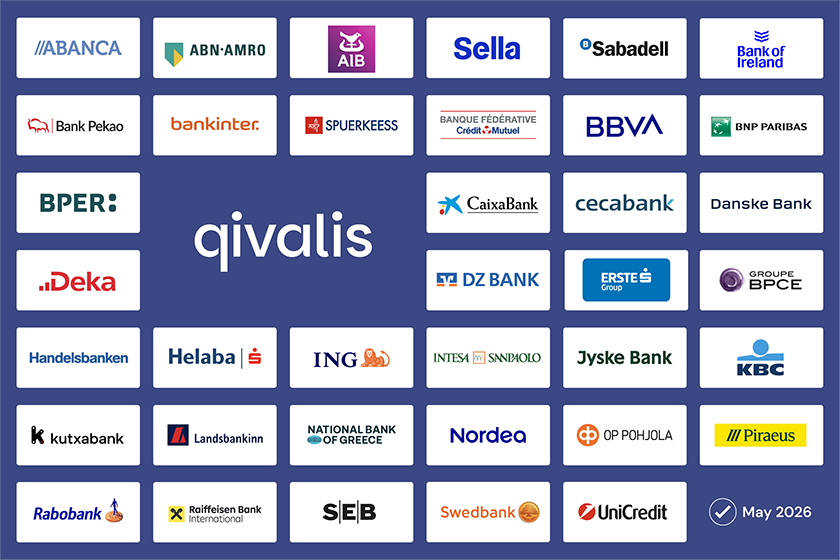
Banca Sella, BBVA, BNP Paribas, CaixaBank, Danske Bank, DekaBank, DZ BANK, ING, KBC, Raiffeisen Bank International, SEB and UniCredit.
25 banks newly joined:
ABANCA, ABN AMRO, AIB, Banco Sabadell, Bank of Ireland, Bank Pekao S.A., Bankinter, Banque et Caisse d’Épargne de l’État (Spuerkeess), Banque Fédérative du Crédit Mutuel, BPER Banca, Cecabank, Erste Group, Groupe BPCE, Handelsbanken, Helaba, Intesa Sanpaolo, Jyske Bank, Kutxabank, Landsbankinn, National Bank of Greece, Nordea, OP Pohjola, Piraeus, Rabobank and Swedbank.